
How forest conversion can succeed
Climate change is altering forests worldwide. How can we protect them as life-sustaining and climate-regulating ecosystems while continuing to use them as a resource? Prof. Benno Pokorny, Professor of Forestry at the University of Freiburg, knows the answer.
The question worries people beyond forestry experts. Though they already know the answer: Healthy forests which are sustainably managed are not only reliably able to supply wood and other products, but also play a crucial role in regulating the climate. With their biodiversity they are the basis of the complex global ecosystem, they store carbon, provide clean water and fresh air.
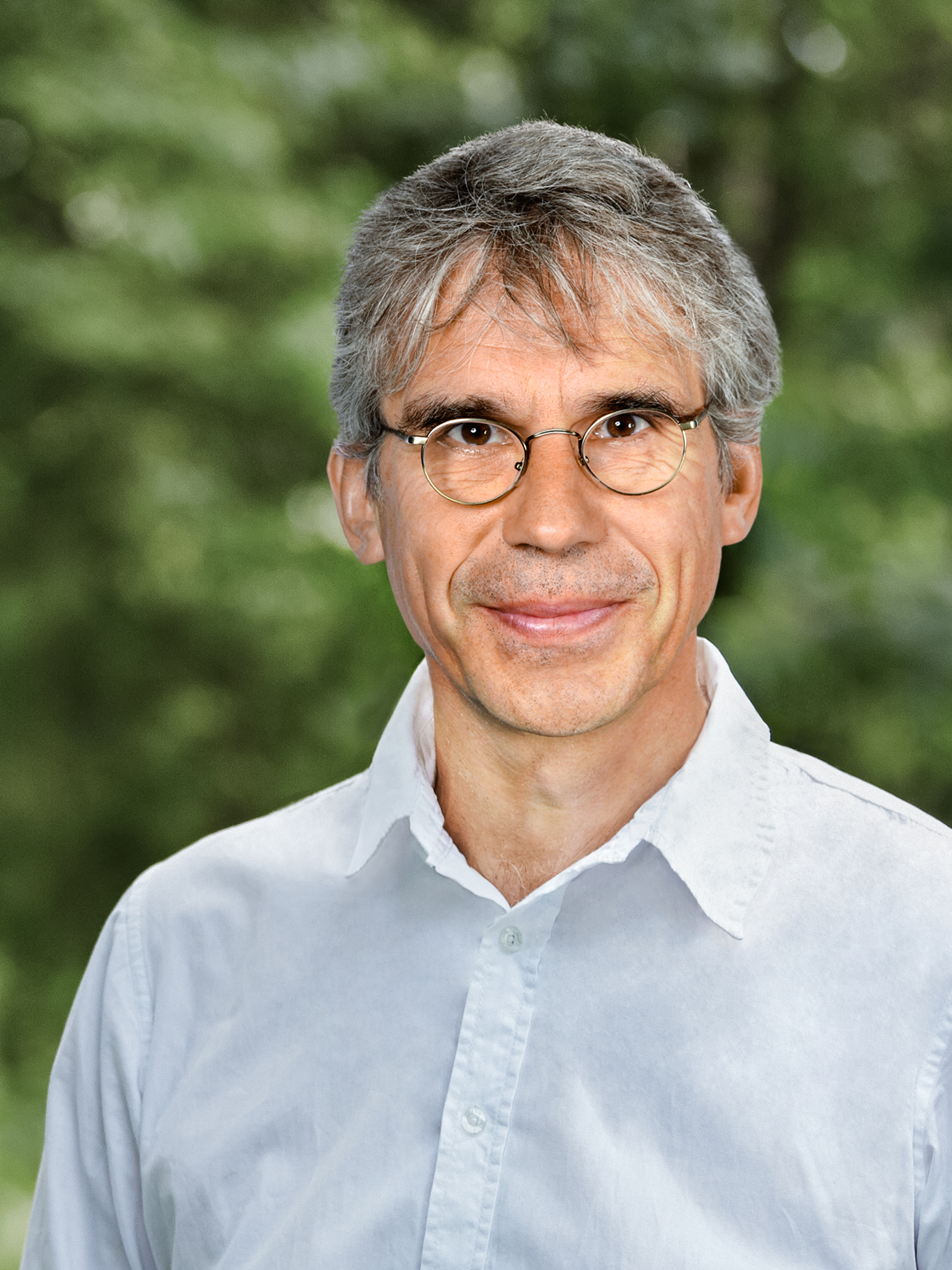
Prof. Dr. Benno Pokorny
In addition to teaching at the University of Freiburg, Prof. Benno Pokorny has spent 30 years researching the interplay of indigenous and traditional communities, small farmers and forests in the tropics and subtropics. In this context, until the start of 2026 he worked in development cooperation in Brazil to improve the living conditions of local communities in the Amazon – including to ensure they can continue their vital role in the protection of natural forests.
Healthy, diverse and environmentally stable forests are quite the topic. In temperate regions such as Europe and the USA, large sections of original natural forests have been converted into settlements, crop land or commercial forests for timber production. Commercial forests are heavily impacted by global warming: Extreme weather events are increasing, temperatures are rising, and there is less precipitation. Extended periods of drought weaken trees – especially spruce, a widely occurring species – and make them susceptible to pests such as bark beetles. A weakened commercial forest will struggle to survive a fire or a strong storm.
Natural and commercial forests
Prof. Benno Pokorny makes a distinction between natural and commercial forests. The former have predominantly grown naturally and remained largely untouched. Commercial forests have been created by means of targeted human interventions, such as reforestation of formerly agricultural land. Compared to natural forests, commercial forests often have fewer species and less structural diversity, especially in the tropics. In many cases they are intensively farmed monocultures.
percent of forest fires are caused by humans.
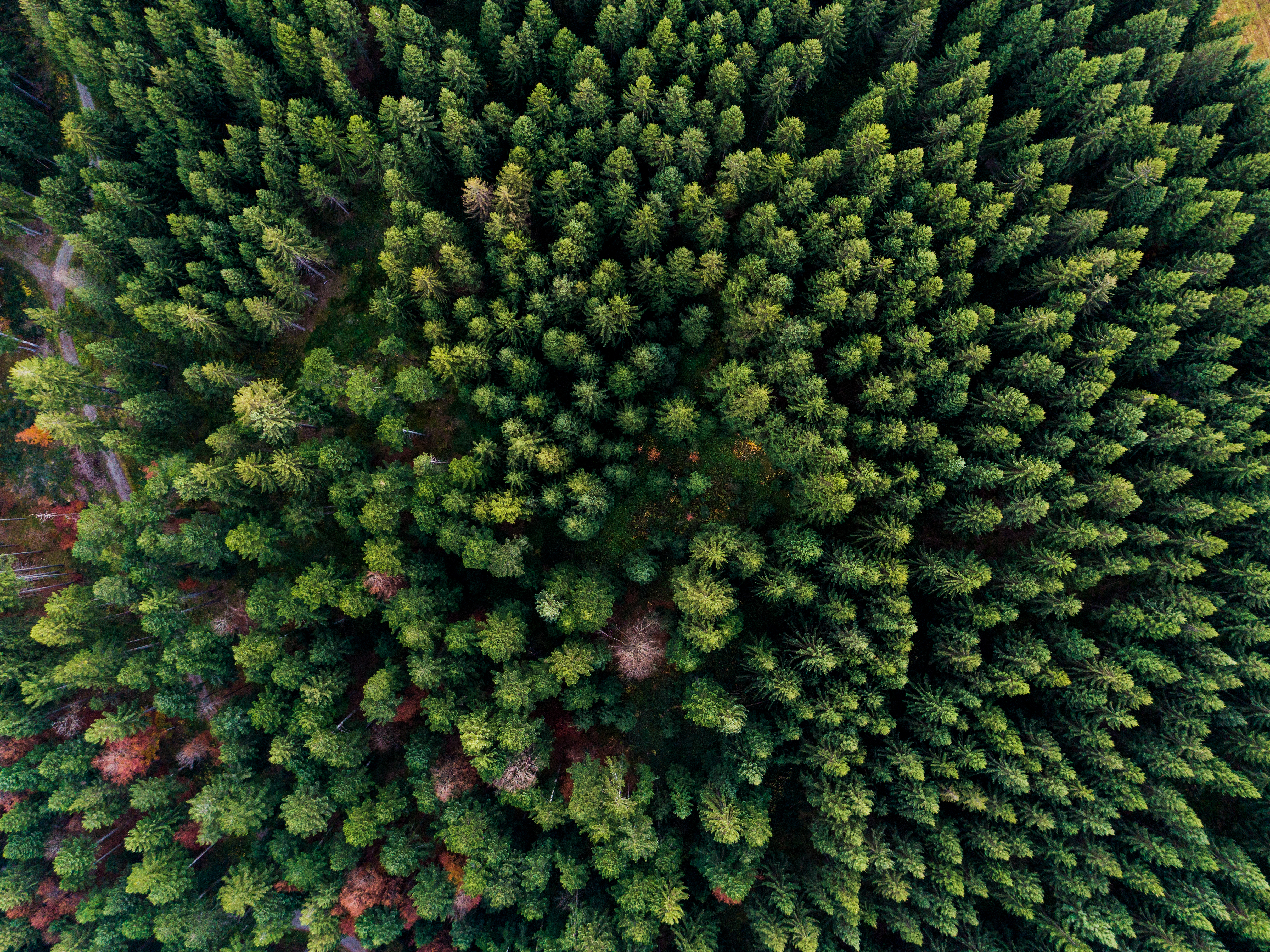
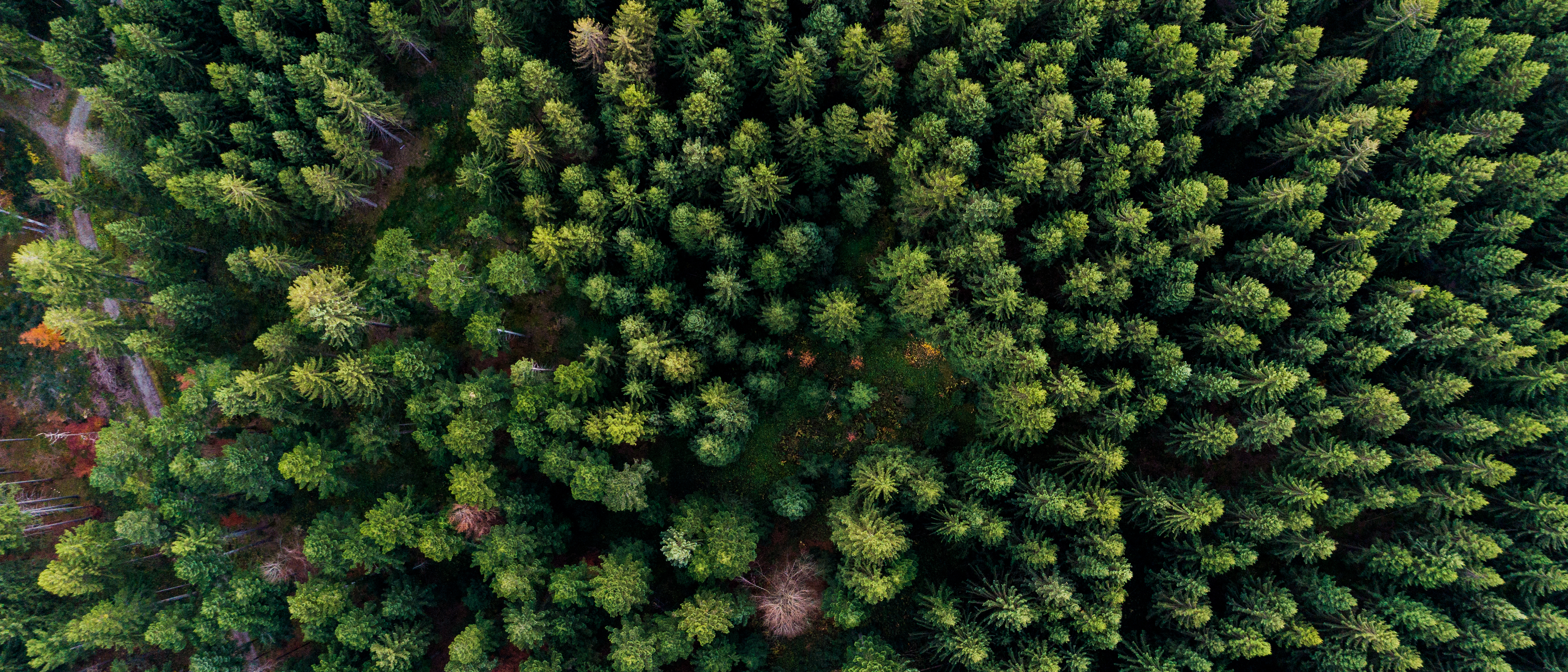
Rows and rows of identical conifers of the same species: This is how a typical low-diversity production forest in temperate regions often occurs.
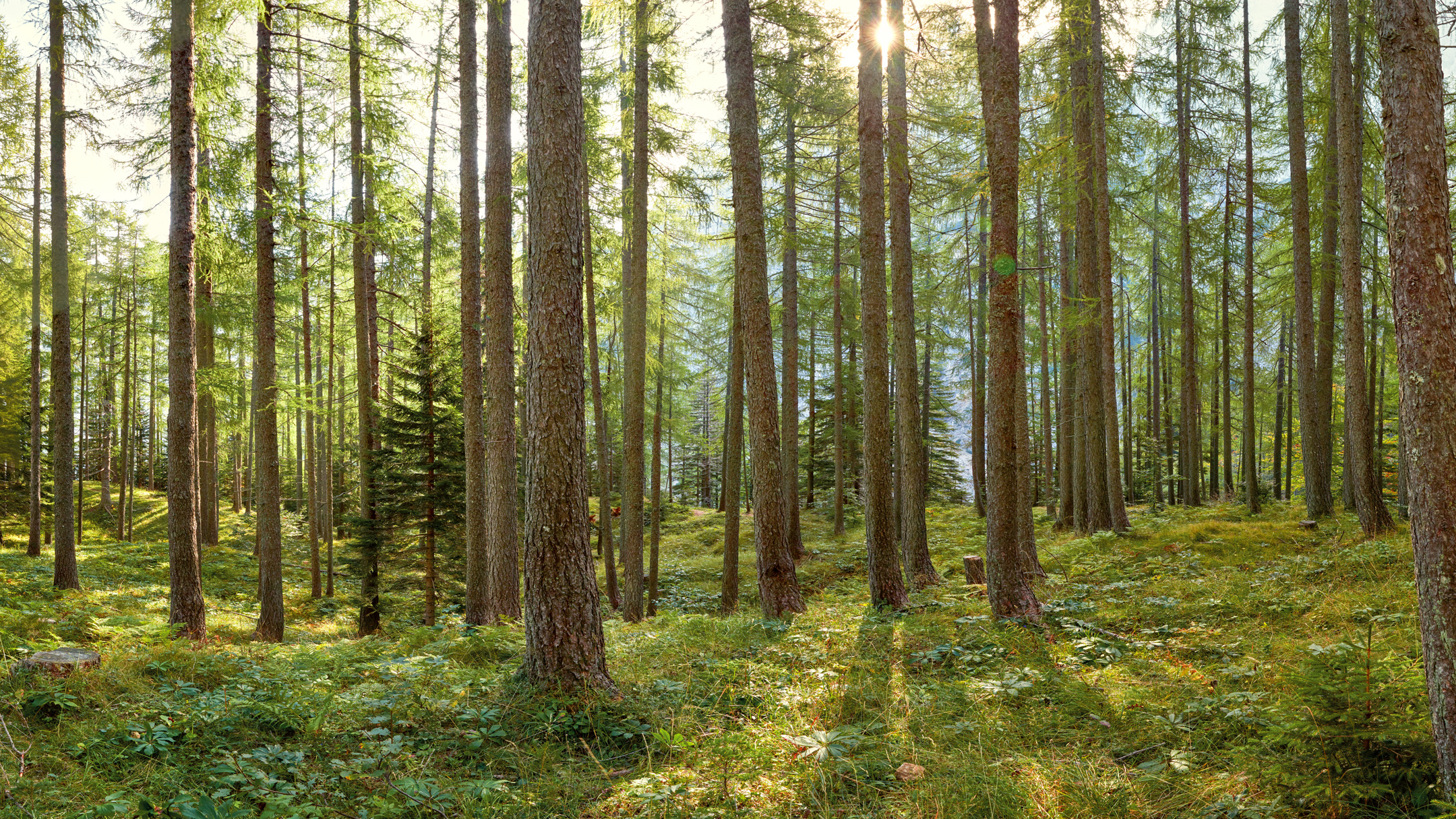
Resilient forests
Forestry is dependent on commercial forests being healthy and more resilient to climate change in order to mitigate economic risk. There has long been an understanding of suitable measures for achieving this, explains Prof. Pokorny: “Avoid creating monocultures by using a variety of tree species, create structure, retain dead wood and leave some of the area natural as far as possible, especially along water courses.” Structure refers to age, height and size as well as the arrangement of trees and plants. In addition, an infrastructure should be established that allows trees to be removed individually and large-scale clearing to be avoided, says Prof. Pokorny. Furthermore, regulated fire management, as is already practised in the USA and Mediterranean countries, could partially mitigate the catastrophic effects of fire.
Prof. Dr. Benno Pokorny Professor of Forestry, University of Freiburg“Structurally rich and diverse forests reduce risks.”
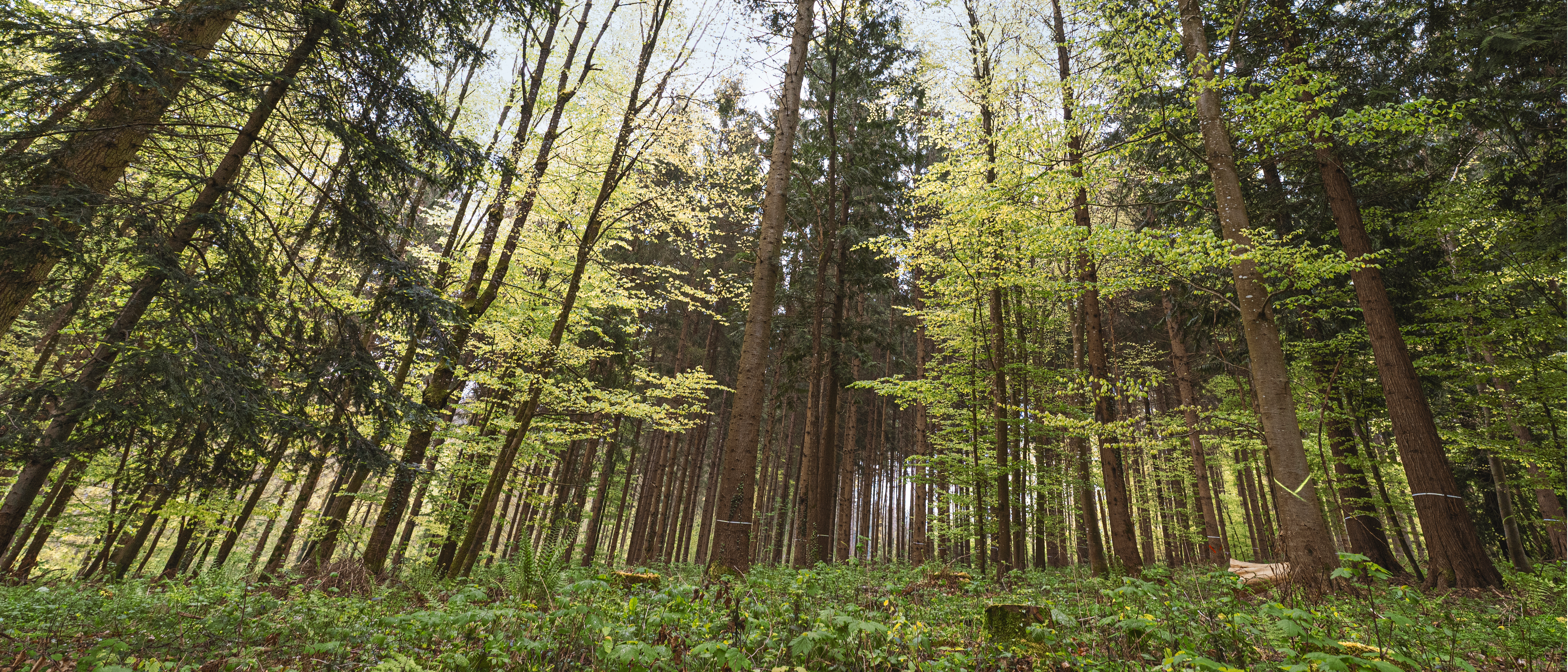
Structure-rich mixed forests are more resilient to climate change than monocultures.
Hurdles to conversion
In fact, it has long been acknowledged that commercial forests should be improved by means of added structure and species diversity. However, this sustainable forestry approach is considered to be technically difficult and expensive, because it requires additional effort for management and potentially means more time passes before wood can be used in larger quantities. Since climate change has also taken on increasingly pronounced forms in Central Europe, some countries, such as Germany, Austria, France or Switzerland, are endeavoring to convert their commercial forests into stable ecosystems by means of large investments. “However, this can only be sufficiently effective if funding is made available, as it is otherwise not financially viable for forest owners,” notes Prof. Pokorny. “The situation in the tropics is even more dramatic,” he says. “In those places the prevailing tendency is to convert existing natural forests into crop and pasture land, or to extensively reforest degraded areas with monocultures of fast-growing, non-native tree species.”
Prof. Pokorny cites two main reasons for the slow progress of forest conversion in many areas, despite the required knowledge existing: A short-term economic perspective and the power of habit. “When considered in monetary terms it can appear more economically viable to clear natural forest and manage monocultures, as it is possible to quickly generate revenue and profitably invest the returns. The long-term, multi-generational investments or services which the forest provides for free play a secondary role in decision-making. Additionally, it is always difficult to change established thought patterns, rules and routines – on an individual basis, but also at the level of the global economic system. There is also a shortage of specialists who could implement any changes – fueling a vicious cycle. But in all regions of the world there are examples demonstrating that things can be done differently,” says Prof. Pokorny.
Biodiversity as a basis for living
Biodiversity is considered the basis of life in science. No stable ecosystems exist without the complex interaction of diverse plant and animal species. This means that species-diversity is the only way to guarantee resilient habitats which are capable of withstanding climate change, pollution, fire or storms and can also resist large-scale infestations of pests. Biodiverse ecosystems sequester carbon and support regulation of the climate. According to Prof. Pokorny, the central importance of biodiversity – especially in forestation projects for climate protection – is often overlooked, as he illustrates: “While a reforested eucalyptus plantation does sequester carbon, even as an intensively managed monoculture, it does so to a lesser extent than a natural and species-rich forest. It is also exposed to high risks and makes little contribution to the ecological basis of our lives.”
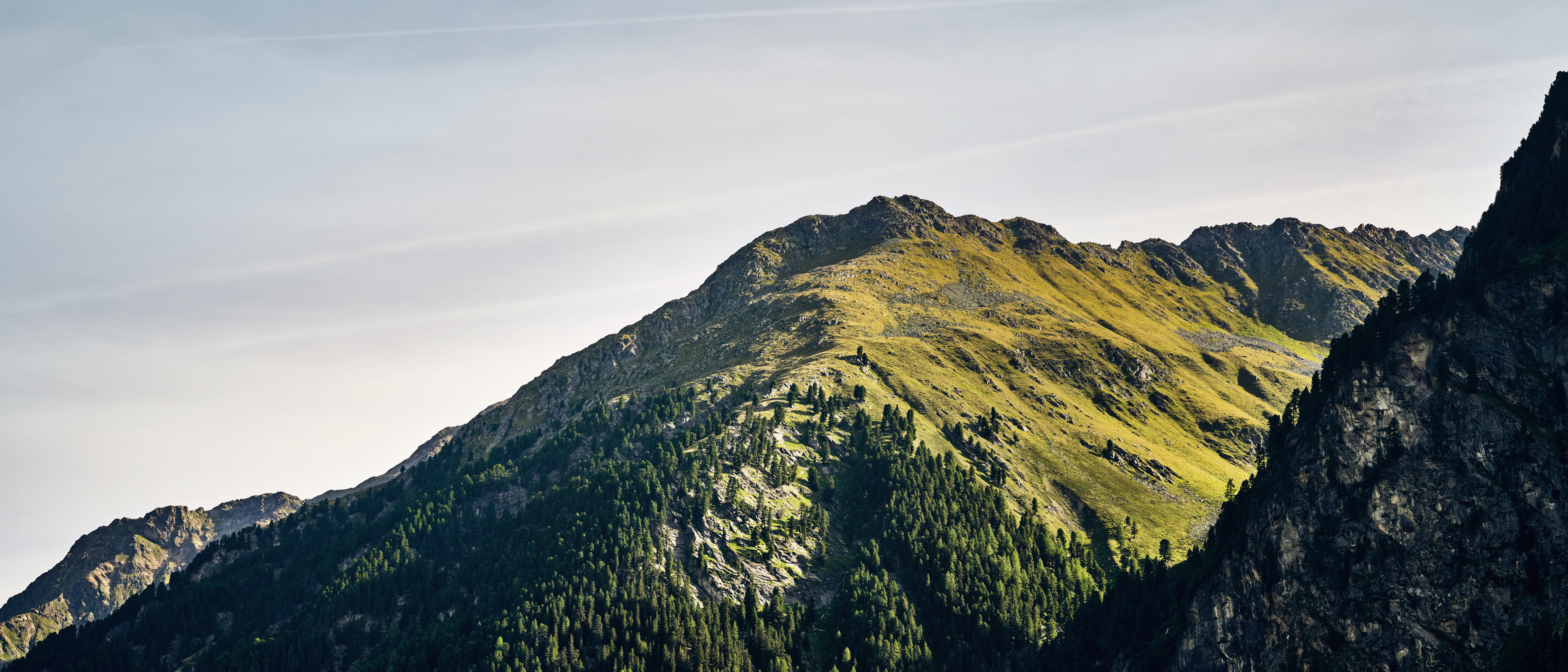
In the Alps, the forest boundary is shifting upward due to global warming.
Natural forests are disappearing – the forest area remains the same
Climate change impacts forests differently depending on the climate zone, says Prof. Pokorny. “Species shifts can be observed in the tropics and subtropics: The forest remains, but certain tree species have disappeared.” In cooler regions, the boreal and subalpine zones, new forest areas are being created as global warming is shifting forests’ boundaries. “Overall, the global net forest area remains relatively unchanged,” says Prof. Pokorny, “but with the significant difference that biodiversity continues to decline dramatically.”
So the measures may be clear, but implementation is difficult. The same applies to the protection of natural forests. According to Prof. Pokorny, this is the most important task in the face of climate change. “The tropical forests in particular are very biodiverse. If they are destroyed, many species and their genetic material will be lost forever. This loss cannot be compensated through reforestation.” Prof. Pokorny is adamant that preserving these forests is possible: “We do not need natural forests for timber – commercial forests are sufficient for that. What’s more: In Germany in particular, it would be important to designate more and larger protected areas.”
percent of all the animal and plant species living on Earth are estimated to live in tropical rainforests.
Indigenous communities are protecting the forest
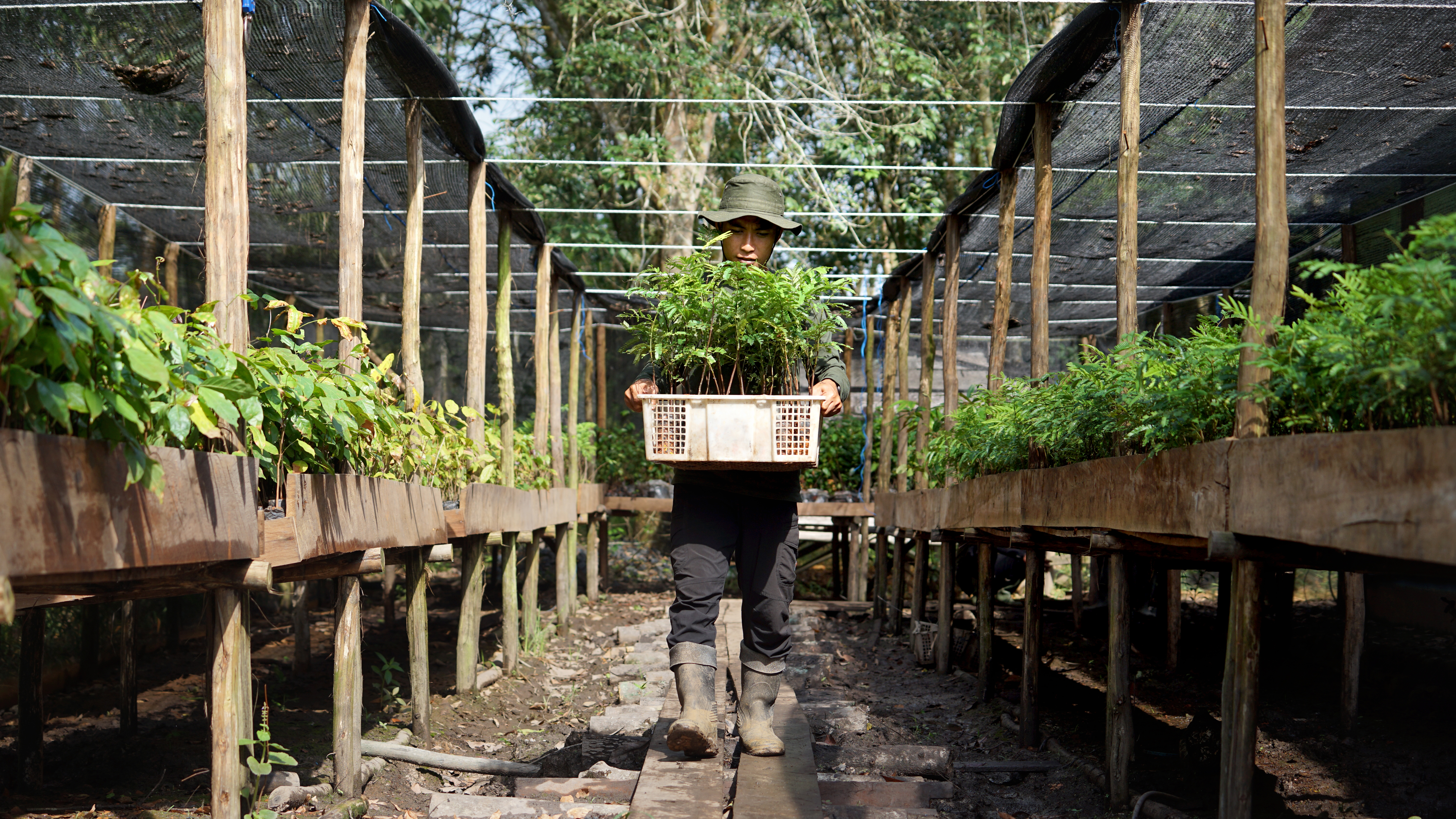
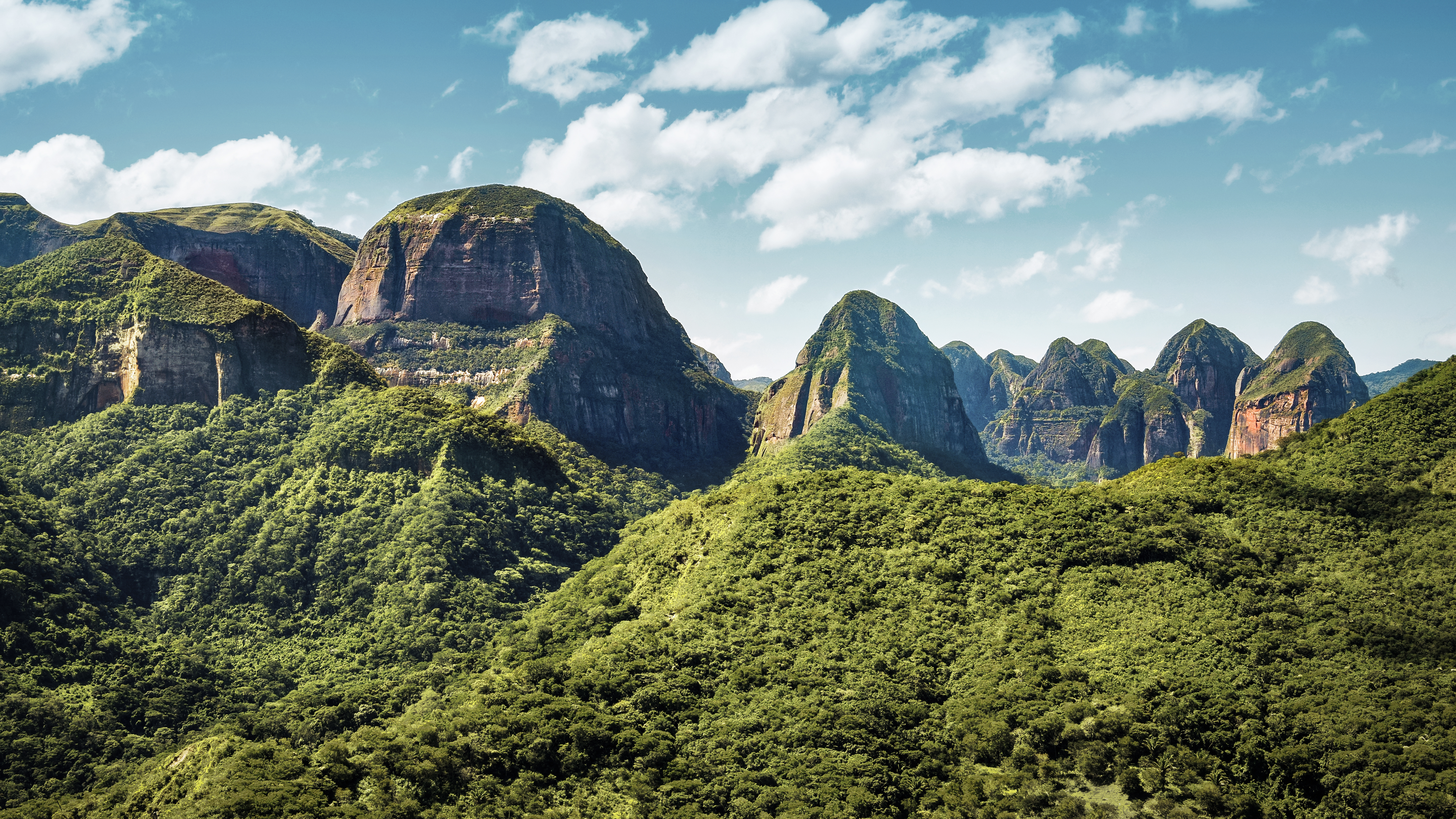
Natural forests should be left alone as much as possible. In some cases, however, small-scale management by the local population makes sense, as evidenced by an example from Bolivia. In Chiquitania, a forest area of over 16 million hectares in eastern Bolivia, Prof. Pokorny initiated a research project in 2018 with the support of STIHL. The indigenous communities here have always used the products of the forest. Today the people fell trees, saw them into boards and sell them to sawmills and carpenters to generate much-needed income.
Counterproductive legislation
What seems obvious has actually not been legal for very long. Until a few years ago, it was forbidden in Bolivia to saw logs in the forest into boards. Instead elaborate plans had to be formulated and then authorized by the authorities, for trees to be felled and logs transported all the way out of the forest and processed in sawmills – all at a cost that the indigenous communities could not afford. The fact that the law has now been amended so that logs can be processed, transported and sold by the families is a result of Prof. Pokorny’s research project. STIHL supports this and other projects for forest protection, preservation or reforestation.
Prof. Pokorny recounts that the indigenous population uses the natural forest without any heavy machinery, which also serves the interest of forest protection. “Simply by being present, people who live in forests are more effective at protecting them from being cleared for agricultural use than laws are.” The use of wood by the local population will also cause changes to the forest. However, interventions with a chainsaw are far less destructive than machine harvesting of wood.
Prof. Dr. Benno Pokorny Professor of Forestry, University of Freiburg“The project in Bolivia demonstrates a way of combating poverty while protecting and preserving the natural forest.”
In Bolivia, it is now permitted to process logs in the forest into boards again – offering an important source of income for the indigenous communities.
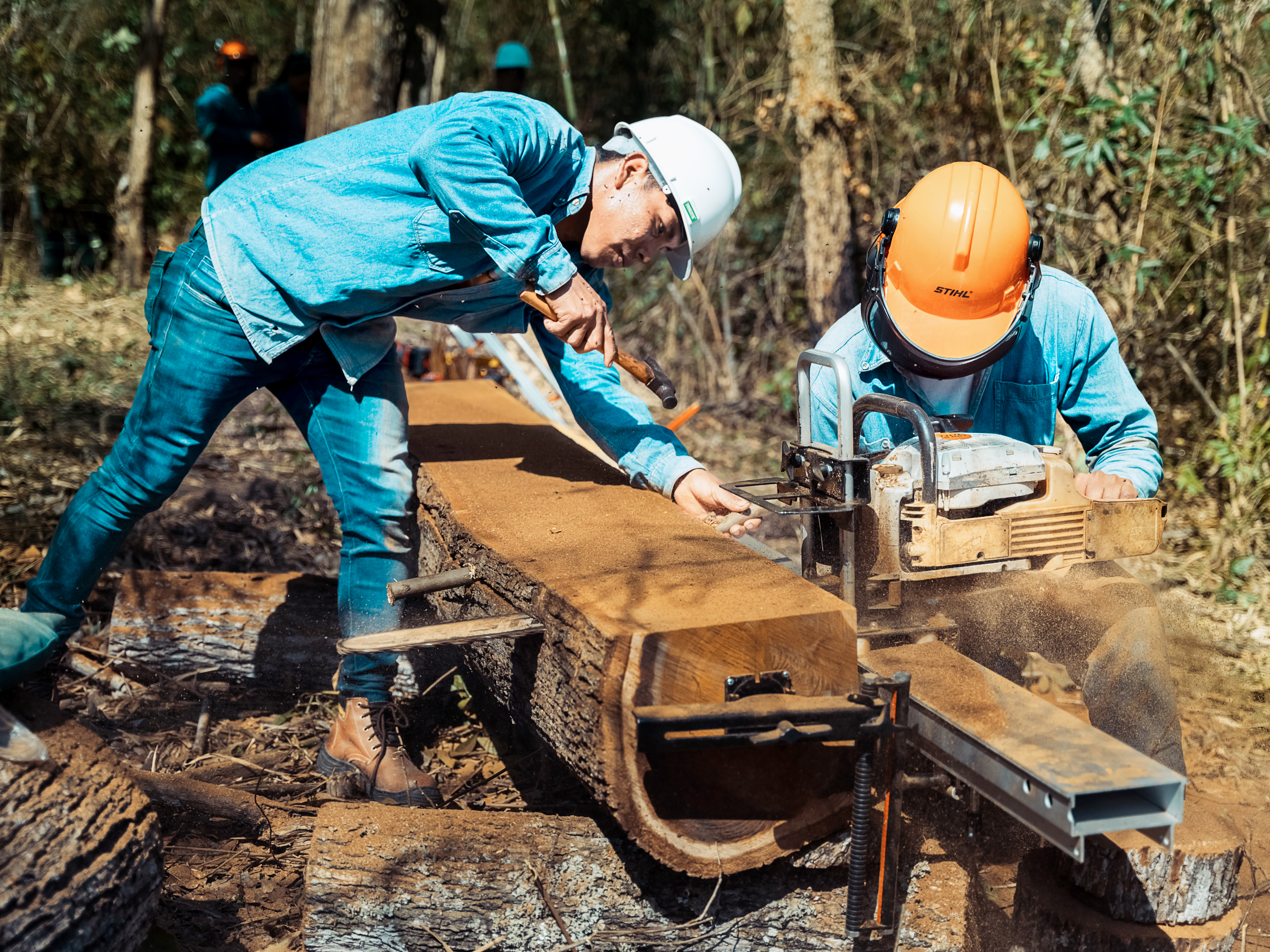
The indigenous communities live in Chiquitania, a forested area of more than 16 million hectares in eastern Bolivia.
A shared future
The protection of natural forests and climate-friendly conversion of commercial forests are within the hands and power of the people. However, both are hindered by financial and political hurdles as well as well-established behavioral patterns. But here is why the forestry expert is nevertheless optimistic: “Because there continue to be organizations and people who are committed to this and are promoting meaningful initiatives.” Actions taken in the hope that an increasing number of decision-makers will come to understand that the future of forests and humanity is intertwined.